How to Choose the Right Specialist for Periodontal Treatment

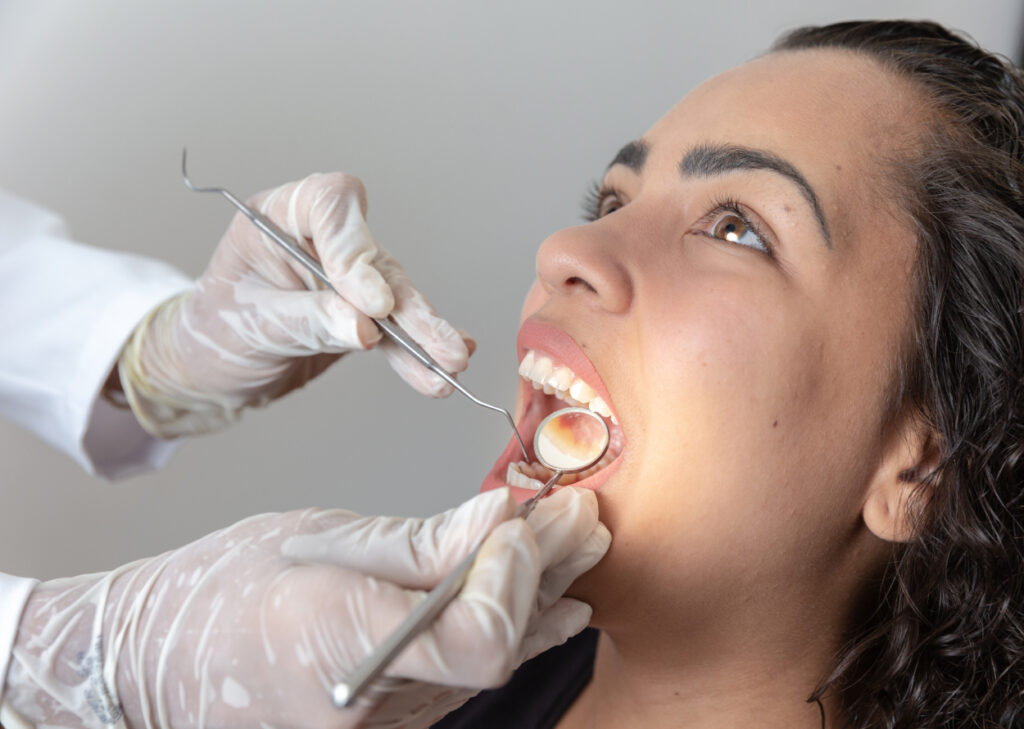

Gum disease rarely announces itself with drama. It usually starts with small signs that are easy to dismiss, a little bleeding when brushing, persistent bad breath, gums that look slightly puffy, a tooth that suddenly feels different when you bite down. By the time many people seek help, the problem has had months or years to settle in. That is one reason choosing the right specialist for Periodontal Treatment matters so much. You are not simply looking for someone to clean your teeth a bit more thoroughly. You are choosing a clinician who may help preserve bone, stabilize teeth, manage infection, and protect the long-term health of your mouth.
Patients often assume that all dental specialists who work on gums offer essentially the same care. In practice, the differences can be meaningful. Training, treatment philosophy, communication style, use of diagnostic tools, and comfort with complex cases all shape the experience and the outcome. A good fit can make treatment more precise, more predictable, and far less stressful. A poor fit can leave you confused, overtreated, undertreated, or reluctant to follow through.
https://elliotaybm470.lakeviewbrief.com/posts/how-to-choose-the-right-specialist-for-periodontal-treatmentWhat a periodontist actually does
A periodontist is a dentist with advanced training focused on the supporting structures of the teeth, primarily the gums, bone, and periodontal ligament. That means they manage conditions such as gingivitis and periodontitis, but their work often extends further. Many also place dental implants, perform bone grafting, address gum recession, reshape tissue for restorative work, and help manage cases where medical history complicates healing.
This distinction matters because not every patient with gum disease needs specialist care, but many do. A general dentist can often diagnose early gum problems and provide routine periodontal maintenance or deep cleanings. Once bone loss, deep pockets, gum recession, loose teeth, recurrent inflammation, or implant concerns enter the picture, a periodontist brings a deeper level of experience. That extra experience can be especially important when the presentation is not straightforward, such as a patient with diabetes, smoking history, autoimmune disease, significant clenching, or a mouthful of old dental work that affects plaque retention.
I have seen patients arrive thinking they needed “just a cleaning” only to learn that the issue involved several millimeters of attachment loss around key teeth. I have also seen the opposite, patients terrified they would lose multiple teeth when careful non-surgical therapy and good maintenance were enough to stabilize things. The right specialist helps sort that out calmly and accurately.
Know when specialist care is worth seeking
There is no prize for waiting. If your dentist has recommended a periodontal evaluation, it usually means there is something beyond routine preventive care. A specialist consultation is also sensible if your symptoms persist despite regular cleanings, or if you have a history of gum disease that seems to keep flaring.
Certain patterns should push you toward a periodontist sooner rather than later. Bleeding gums that continue for weeks, gum recession exposing root surfaces, teeth that feel mobile, tenderness around implants, spacing that appears to be changing, or a bad taste that keeps returning can all point to active periodontal problems. Family history also matters. Some patients are meticulous with home care and still develop aggressive disease because genetics influence inflammatory response.
Another overlooked reason to seek specialist input is treatment planning before major restorative work. If you are considering crowns, bridges, veneers, orthodontics, or implants, the condition of the gums and underlying bone has to be assessed first. Restorative work built on unstable periodontal foundations tends not to age well.
Credentials are the starting point, not the finish line
Patients often feel awkward asking about qualifications, but it is a reasonable part of choosing any healthcare professional. At minimum, you want a licensed dentist who completed accredited specialty training in periodontics. Board certification can add another level of reassurance because it reflects additional examination and case review, though a non-board-certified periodontist may still be excellent.
Credentials alone do not tell you how a specialist practices. Two clinicians with similar training can differ sharply in judgment. One may prefer conservative non-surgical therapy when possible, while another may be quicker to recommend surgical intervention. Neither approach is automatically right or wrong. The better question is whether the recommendation fits your disease severity, anatomy, overall health, and goals.
It is also reasonable to ask how often the specialist handles cases like yours. Someone who routinely treats peri-implantitis, severe recession, or advanced bone loss may recognize subtleties that a less focused practice sees only occasionally. Volume is not everything, but familiarity builds pattern recognition.
Experience should match the complexity of your case
A patient with mild to moderate chronic periodontitis does not need the same level of subspecialized experience as someone facing full-mouth rehabilitation or advanced regenerative procedures. The challenge is that most patients do not know where they fall on that spectrum until they are evaluated.
Ask questions that reveal the depth of the specialist’s clinical experience without turning the consultation into an interrogation. You might ask how they usually approach a case like yours, what options they consider first, and under what circumstances they shift from non-surgical to surgical treatment. Listen for clear, grounded answers rather than vague confidence.
A good periodontist should be able to explain what can likely be improved, what can realistically be stabilized, and where uncertainty remains. Periodontal care often involves probabilities rather than guarantees. If someone promises that every loose tooth can be saved or that every gum graft will look perfect, caution is warranted. Experienced specialists tend to speak precisely. They know where biology cooperates and where it does not.
The exam should feel thorough, not rushed
One of the strongest indicators of quality is the initial evaluation. A proper periodontal exam goes beyond a quick look at the gums. It usually includes periodontal probing, assessment of bleeding, recession, mobility, furcation involvement between roots of molars, bite factors, plaque retention areas, medical history, smoking status, and radiographic review to evaluate bone levels.
The specialist should connect these findings into a coherent picture. Hearing isolated terms such as “deep pockets” or “bone loss” is not enough. You should understand where the disease is active, how severe it appears, whether it is generalized or localized, what may be contributing to it, and what the likely treatment sequence looks like.
Good specialists also pay attention to risk factors that affect healing and recurrence. If you have diabetes, they should ask about control, not merely note the diagnosis. If you smoke or vape, they should discuss how that changes treatment expectations. If you grind your teeth, have dry mouth, take medications that affect gums, or struggle with dexterity while brushing, those details should enter the plan. Periodontal Treatment is not one-size-fits-all, and the exam should make that obvious.
Pay attention to how treatment options are presented
The best consultations do not feel like a sales pitch. They feel like a reasoned discussion. You should leave understanding the problem, the proposed solution, alternatives, likely benefits, limitations, healing timeline, and maintenance burden afterward.
Often there is more than one acceptable route. Early to moderate disease may respond well to scaling and root planing combined with local antimicrobials, improved home care, and close reevaluation. More advanced defects may benefit from flap surgery, regenerative materials, grafting, or extraction and implant planning, depending on the tooth’s prognosis. Recession can be monitored, managed with desensitizing strategies, or treated surgically if root exposure is progressing or esthetics are a concern.
Here is where communication style matters. Some specialists explain beautifully with photos, radiographs, and simple language. Others speak in technical shorthand that leaves patients nodding politely and understanding very little. If you feel rushed, intimidated, or pressured into agreeing on the spot, take that seriously. Trust tends to grow when the specialist can slow down and answer questions without defensiveness.
A helpful consultation often covers these points clearly:
- What stage and extent of gum disease you have.
- Which teeth or areas are most at risk.
- Whether non-surgical care is reasonable first.
- What surgery, if recommended, is expected to accomplish.
- How often maintenance visits will likely be needed afterward.
That kind of clarity makes informed consent possible. It also improves follow-through, because patients are more likely to commit when they understand the logic behind the plan.
Technology can help, but it should not be the main selling point
Modern periodontal practices may use digital radiography, cone beam imaging, intraoral cameras, laser devices, microsurgical techniques, and advanced grafting materials. These tools can be useful. Three-dimensional imaging, for example, can be valuable when assessing implant sites or complex bone anatomy. Clinical photography helps track recession and tissue changes over time. Intraoral images can make the diagnosis much easier for patients to grasp.
Still, technology does not replace judgment. A specialist with excellent fundamentals and clear reasoning is more valuable than a gadget-heavy office that cannot explain why a particular approach suits your case. If a practice leans heavily on branding around lasers or proprietary systems, ask a simple question: how does this improve outcomes for my diagnosis compared with standard methods? A thoughtful clinician can answer that directly. Sometimes the answer will be compelling. Sometimes the advantage is more about comfort or workflow than disease control.
Look for coordination with your general dentist
Periodontal care rarely happens in isolation. Your general dentist may have identified the problem, and they may remain central to your long-term maintenance, restorative care, or bite management. The strongest patient experiences usually happen when the periodontist and general dentist communicate well.
That does not mean they must share an office. It means records, radiographs, treatment notes, and recommendations flow smoothly, and each clinician understands their role. If the periodontist plans a crown-lengthening procedure before your dentist places a crown, or recommends splinting certain teeth after inflammation is controlled, coordination becomes more than convenient. It becomes essential.
Patients can sense when care is fragmented. One office says a tooth is savable, another says extract it, and nobody seems to have spoken to anyone. Sometimes legitimate differences in judgment do occur. Even then, a good specialist can explain the reasoning in a way that respects the other provider while making the trade-offs plain.
Office systems matter more than people expect
Clinical skill is central, but practical details shape the experience in ways patients remember. Periodontal treatment often unfolds over several visits, with maintenance appointments every three to four months for some patients. An office that is difficult to reach, chronically overbooked, or unclear about costs can make even good care harder to sustain.
Notice whether the staff seems comfortable discussing timelines, preoperative instructions, sedation options if relevant, insurance estimates, and follow-up. Ask how emergencies are handled after a surgical procedure. If you are having grafting or implant-related treatment, you should know whom to contact if swelling, bleeding, or discomfort goes beyond expectations.
Hygiene and organization also tell a story. A well-run specialty office usually feels calm and methodical. Instruments are handled with obvious attention to protocol. Imaging is easy to review. Financial conversations happen professionally, not in a hurried whisper at the front desk while another patient waits behind you.
Reviews can be useful, but read them carefully
Online reviews are a rough tool, not a verdict. They often reflect bedside manner, scheduling efficiency, and billing experiences more than technical quality. Even so, patterns matter. If many reviewers mention that the doctor explains things clearly, follows up after surgery, and never pressures them, that is meaningful. If repeated comments mention surprise fees, difficulty reaching the office, or dismissive responses to concerns, pay attention.
Do not focus only on star ratings. Read the content. A periodontal office that treats complex cases may have some anxious or unhappy reviews simply because difficult treatment carries discomfort, cost, and imperfect outcomes at times. What matters is whether the tone across many reviews suggests professionalism, responsiveness, and honesty.
Personal referrals can be even more useful, especially from a trusted dentist, dental hygienist, physician, or friend who has completed similar treatment. A hygienist’s recommendation can be particularly insightful because hygienists often see the long-term maintenance side and know which specialists leave patients stable years later.
Questions worth asking at the consultation
Most patients do better when they arrive with a few focused questions. You do not need a script, but having a framework helps you compare consultations rationally rather than reacting only to personality.
Consider asking:
- What is driving my gum problem, and how advanced is it?
- What treatment do you recommend first, and why?
- Are there non-surgical options in my case, or is surgery clearly indicated?
- What results are realistic, and what are the main risks or limitations?
- What maintenance will I need to keep this stable over time?
These questions often reveal whether the specialist thinks comprehensively. You are listening for specifics, not rehearsed phrases. A strong answer ties your anatomy, radiographs, habits, and medical history together into a coherent plan.
Cost deserves a frank conversation
Periodontal Treatment can range from manageable to expensive, depending on complexity. Non-surgical therapy in a few quadrants is one thing. Regenerative surgery, multiple grafts, or implant site development is another. Cost by itself should not determine the provider, but cost transparency absolutely should.
Ask for written estimates when possible. Clarify what is included, especially postoperative visits, medications, membranes or grafting materials, sedation, and maintenance appointments after active treatment. Insurance coverage for periodontal services varies, and preauthorizations do not always predict final payment accurately. Offices that handle this well tend to explain both the best-case and less favorable scenarios.
If a lower-fee office and a higher-fee office present very different plans, do not assume the cheaper one is more conservative or the expensive one is more thorough. Sometimes one specialist is prioritizing tooth retention at all costs, while another is accounting for long-term predictability. Sometimes the reverse is true. The goal is to understand what you are paying for, what outcomes are expected, and what future treatment might still be needed.
Red flags that should make you pause
Most specialists you meet will be competent and professional. Still, there are warning signs that justify seeking a second opinion. One is diagnostic vagueness. If a clinician recommends major treatment without showing you the disease pattern or explaining the rationale, that is a problem. Another is certainty without nuance. Periodontal prognosis often involves shades of gray. Overconfidence can signal poor judgment.
Pressure is another concern. You should not feel pushed to schedule surgery on the same day just to secure a promotional rate or a limited opening. High-pressure tactics are out of place in specialty care. So is reluctance to discuss alternatives, expected discomfort, or the possibility that a tooth may still fail despite treatment.
Be cautious, too, if the specialist seems uninterested in your role. Long-term periodontal success depends heavily on maintenance and home care. A doctor who talks only about procedures and barely mentions plaque control, recall intervals, and risk factors may be underselling the realities of disease management.
The best choice is often the one you can work with for years
Many patients think of periodontal care as a short episode. In reality, gum disease is often managed rather than permanently “fixed.” Even after excellent treatment, susceptible patients usually need ongoing periodontal maintenance and close observation. That makes the specialist relationship more like a long-term partnership than a one-time transaction.
The right periodontist for you is not necessarily the one with the flashiest website or the most dramatic before-and-after gallery. It is often the one who combines sound diagnostics, measured judgment, technical skill, and honest communication. You want someone who can tell you when a tooth has a fair chance, when it does not, and what each path means in practical terms. You want an office that can support follow-up reliably. And you want a plan you actually understand well enough to carry out.
If you are deciding between two strong specialists, subtle things may break the tie. Did one explain maintenance more clearly? Did one acknowledge uncertainty where appropriate rather than overselling certainty? Did one speak to your general dentist or review prior records more carefully? Did you leave feeling informed instead of persuaded? Those details matter.
Periodontal Treatment succeeds best when diagnosis is careful, treatment is appropriately matched to the disease, and the patient feels engaged rather than overwhelmed. Choose the specialist who makes that possible. Your gums, your teeth, and quite possibly your future dental health will benefit from getting that choice right.
Avra Dental
Address: 1708 S Victoria Ave B, Ventura, CA 93003
Phone number: (805) 941-1001
FAQ About Periodontal Treatment
Can a dentist get rid of periodontal disease?
A dentist or gum specialist (periodontist) cannot fully cure or reverse advanced periodontal disease (periodontitis), but they can successfully stop its progression and manage the infection.
Is periodontitis very serious?
Yes, periodontitis is a very serious, advanced form of gum disease that destroys the bone and tissues supporting your teeth.
How is stage 2 periodontal disease treated?
Stage 2 periodontal disease (early to moderate periodontitis) is primarily treated with non-surgical deep cleaning procedures like scaling and root planing to remove bacteria and tartar below the gumline.