Emergency Dentist Ventura Care for Abscessed Teeth and Infections
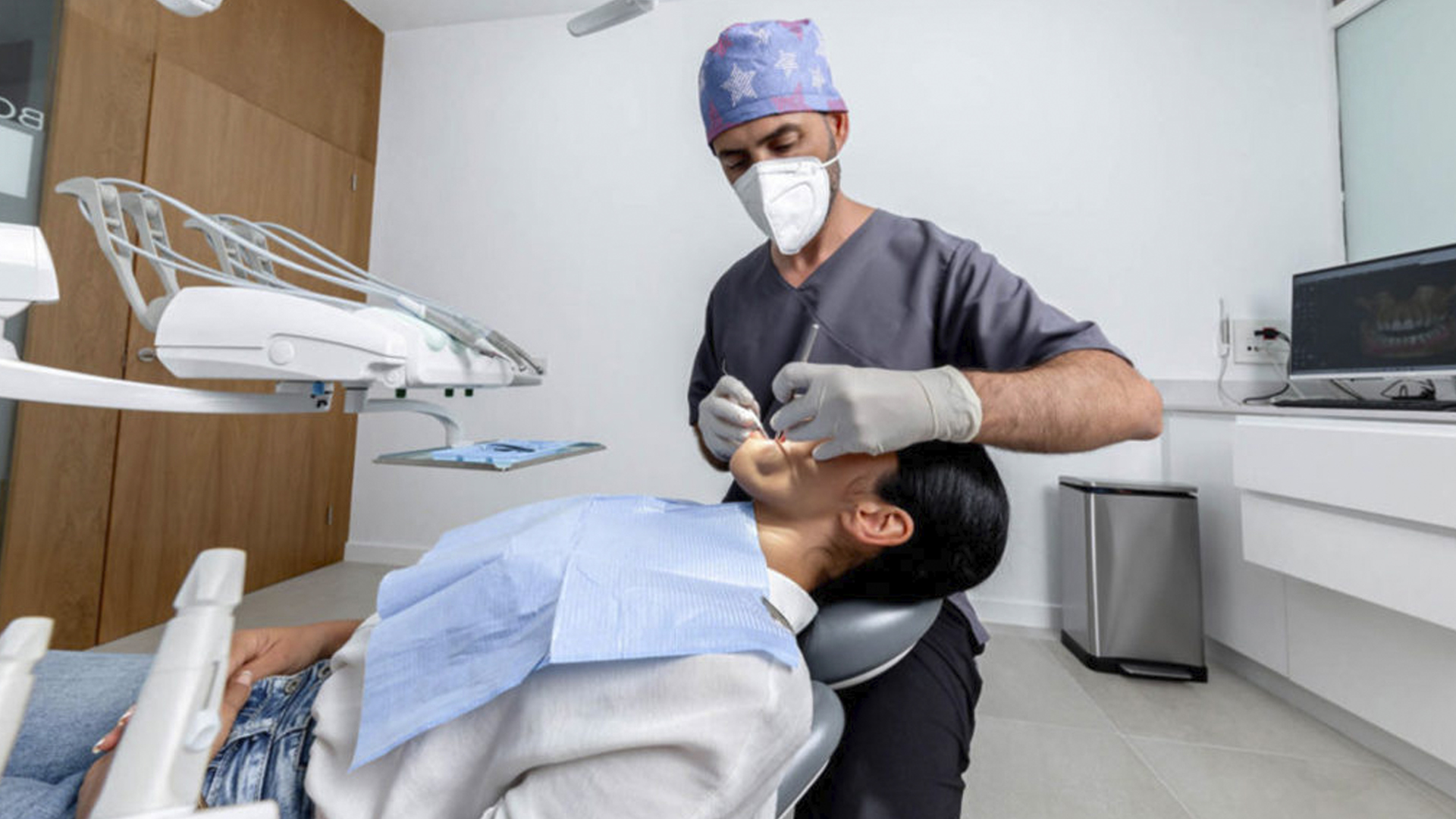

A tooth infection rarely stays polite. It starts as a deep ache, a little pressure when you bite, maybe a strange taste that comes and goes. Then it can turn sharp, throbbing, and exhausting, often late at night or over a weekend when regular offices are closed. By the time many people start searching for an Emergency Dentist Ventura, they are not thinking about convenience. They are trying to sleep, trying to work, or trying to decide whether the swelling in their face means they should head straight to the hospital.
Abscessed teeth are one of the clearest examples of why urgent dental care matters. An abscess is not simply a bad cavity. It is a bacterial infection, often involving the pulp of the tooth or the surrounding gum and bone. Left untreated, it can destroy tooth structure, spread into nearby tissues, and in some cases create serious medical risk. The right response is not to hope it settles down on its own. It is to get the source identified, the pressure relieved, and the infection treated with a plan that addresses more than the symptoms.
What an abscessed tooth actually is
When people say they have an abscess, they usually mean one of two problems. The first is a tooth abscess that begins inside the tooth, often after decay, a crack, or a failed filling allows bacteria to reach the pulp. The second is a gum or periodontal abscess, where infection develops in the tissues supporting the tooth. Both can hurt intensely. Both can cause swelling. Both deserve prompt evaluation.
Inside every tooth is a small chamber containing nerves and blood vessels. Once bacteria invade that space, the body responds with inflammation. Pressure builds in a very confined area, which is why the pain can feel relentless and oddly rhythmic, almost as though the tooth has its own pulse. In some cases, the pressure eventually finds an outlet and drains through the gum. Patients sometimes mistake this for improvement because the pain briefly eases. The infection, however, is still present. Drainage is not the same as healing.
A gum abscess behaves a bit differently. It may arise around a deep periodontal pocket, a trapped food fragment, or advanced gum disease. The tooth may feel high when biting, the gum may look shiny and swollen, and bad breath can become more noticeable. In either form, the key point is the same: the infection has a source, and the source has to be treated.
Why dental infections become emergencies
Not every dental problem is urgent, but infections often are. The reason is simple. Bacteria do not respect office hours, and the body’s inflammatory response can change quickly. A patient may wake up with a sore tooth and go to bed with visible facial swelling. I have seen cases where someone tolerated intermittent pain for weeks, then developed significant swelling within twelve hours after the tooth finally died.
Pain is one reason people seek immediate help, but it is not the most important one. The bigger concern is spread. Infections from upper teeth can move into the cheek or sinus area. Infections from lower teeth can travel into spaces under the tongue or along the jaw. That is when swallowing, speaking, or opening the mouth can become difficult, and the situation moves beyond routine urgent care.
This is where a skilled emergency dental evaluation matters. The clinician is not just asking where it hurts. They are checking the pattern of swelling, testing the tooth, reviewing health history, and deciding whether the infection can be managed safely in the dental office or whether it has crossed into territory that requires hospital care.
Symptoms that deserve fast attention
A mild toothache can wait a day or two in some circumstances. An abscess usually should not. The challenge is that people often minimize symptoms because they do not want to overreact. That hesitation is understandable, but it can cost time.
Watch for these warning signs:
- throbbing tooth pain that does not let up, especially if it worsens with biting or lying down
- swelling of the gum, face, or jaw
- a foul taste, pus drainage, or persistent bad breath from one area
- fever, chills, or feeling generally unwell along with dental pain
- difficulty swallowing, breathing, or opening the mouth normally
The last item changes the urgency level immediately. If breathing or swallowing feels compromised, that is not a wait-and-see situation.
What happens during an emergency dental visit
People in pain often assume the goal of an emergency appointment is to “do something quickly,” and while that is true, speed without diagnosis is not good care. A proper urgent visit is focused, efficient, and deliberate.
The first step is usually an exam and an X-ray, sometimes more than one, because abscesses do not always announce themselves clearly from the outside. A large cavity may be obvious, but the real issue could also be a hidden crack, a failing root canal, or bone loss along the root. The tooth may be tender to tapping, sensitive to pressure, or unresponsive to cold testing. Each of those details helps identify whether the nerve is irreversibly damaged, whether the infection has likely spread beyond the root tip, and whether the tooth is a candidate for root canal treatment or should be removed.
If there is visible swelling in the soft tissue, the dentist will assess whether drainage is possible and appropriate that day. Releasing pressure can reduce pain dramatically, but it has to be done in a controlled setting. Not every swelling should be opened, and not every infection drains in the same way. This is one of those places where professional judgment matters more than internet advice.
Pain control is also part of the visit. In many cases, local anesthetic works well even for inflamed teeth, though severely infected tissue can be harder to numb. Patients are often surprised to hear that antibiotics alone will not solve the problem. They may reduce the bacterial load and slow spread, but if the infected pulp remains sealed inside the tooth, the source is still there. The pressure, bacteria, and dead tissue need definitive treatment.
When antibiotics help, and when they are not enough
Antibiotics have an important role in emergency dentistry, but they are often misunderstood. They are most useful when there is spreading infection, swelling, fever, or involvement of surrounding tissues. They can also be indicated when drainage cannot be achieved immediately or when the patient has health factors that raise the stakes.
What antibiotics cannot do is repair a dead nerve, close a deep cavity, or remove infected tissue trapped inside a tooth. That is why patients sometimes feel a little better for a few days after starting medication, then flare up again. The underlying source was never eliminated.
Good emergency care uses antibiotics thoughtfully, not reflexively. Overprescribing helps no one, and it can mask symptoms long enough for patients to postpone needed treatment. If the tooth is infected and restorable, root canal therapy is often the definitive treatment. If the tooth is too damaged, extraction may be the safer path. Antibiotics may support that process, but they rarely replace it.
Root canal or extraction, how the decision gets made
Patients usually want a straightforward answer: can the tooth be saved or not? Sometimes the answer is obvious. A tooth with enough healthy structure, manageable infection, and good periodontal support may do very well with root canal treatment followed by a proper crown. A tooth split vertically below the gum line usually cannot be saved. Many teeth fall somewhere in the middle.
The decision depends on several factors at once. How much of the crown remains? Is there decay below the gum line? Is there a fracture? Has bone support been lost from gum disease? Is the tooth important for bite stability? What is the patient’s overall health and budget? A molar that could technically be saved but has a guarded long-term outlook may not be the best investment for every person. On the other hand, preserving a strategic tooth can prevent shifting, chewing problems, and more extensive future work.
An experienced emergency dentist will usually focus first on stabilizing the infection and pain, then explain the realistic treatment paths. Good care is not pushing the most expensive option in a crisis. It is helping the patient understand what will predictably work, what carries risk, and what should happen next.
Cases that should go beyond the dental office
Most dental infections can be managed safely by an emergency dentist, but some require hospital evaluation, sometimes urgently. This distinction matters because people often assume any mouth problem belongs exclusively to dentistry. That is not always true once the infection spreads into deeper spaces.
Seek immediate medical care if any of the following are present:
- trouble breathing or swallowing
- rapidly increasing facial or neck swelling
- inability to open the mouth more than a small amount
- high fever with weakness, confusion, or signs of dehydration
- significant swelling under the tongue or along the floor of the mouth
These are not routine abscess symptoms. They suggest a more serious progression that may need imaging, intravenous antibiotics, surgical drainage, or airway monitoring. A responsible Emergency Dentist Ventura office will tell you when the safest next step is the emergency room, not a chairside wait.
What you can do before the appointment
The hours before urgent treatment can feel long, especially if your visit is later the same day. There are sensible ways to reduce discomfort, and there are also common mistakes that make things worse.
Rinse gently with warm salt water if it feels soothing. Keep the area as clean as you can without aggressive poking. If you tolerate over-the-counter pain medication and your physician has not told you to avoid it, use it exactly as directed on the label. Stay hydrated. Try to rest with your head slightly elevated if lying flat makes the throbbing worse.
Avoid placing aspirin directly on the gum. That old home remedy can burn tissue and does nothing to treat the infection. Do not press on the swelling to “pop” it. Do not apply heat from the outside of the face, which can increase blood flow and sometimes worsen swelling. If the pain briefly subsides after drainage begins on its own, do not assume the problem is gone. That false calm can be one of the reasons serious infections get delayed.
Why timing changes the outcome
One pattern shows up again and again in urgent dental care: the earlier the patient comes in, the more options usually remain. A small infection around a tooth that is structurally sound may be treatable with root canal therapy and a well-fitting restoration. Wait several weeks, and that same tooth may crack, lose surrounding bone, or become so compromised that extraction is the only dependable choice.
Timing also affects the complexity of recovery. Draining a localized abscess and starting appropriate treatment is very different from managing a facial space infection with significant swelling and systemic symptoms. The second scenario often means more medication, more discomfort, more appointments, and a higher chance of involving medical care outside the dental office.
I have seen people try to tough it out through work deadlines, school events, or travel plans. The reasoning is always familiar: it hurts, but maybe I can get through the weekend. Sometimes they do. Sometimes they do not. Dental infections tend to punish delay at the least convenient moment.
Special concerns for children, older adults, and medically complex patients
A child with facial swelling and tooth pain needs prompt attention, even if the tooth is a baby tooth. Parents sometimes assume a primary tooth matters less because it will be lost anyway. The infection still matters. Swelling, fever, and pain can escalate in children quickly, and preserving normal eating and hydration becomes a priority fast.
Older adults may present differently. Pain perception can vary, and medications or chronic conditions may blur the picture. Dry mouth, extensive older dental work, exposed root surfaces, and reduced immune resilience can all raise the risk of infection. A small crack under an aging crown can become a major issue before the person realizes what is happening.
Patients with diabetes, immune suppression, recent cancer treatment, heart valve concerns, or a history of severe infections deserve extra caution. For them, a “simple” tooth abscess is not always simple. Communication between dental and medical providers can be important, especially when medications, blood sugar control, or clotting status affect the treatment plan.
The cost question people ask quietly
When someone is in serious pain, money is often the second emergency. People may nod through explanations while mentally calculating whether they can afford the visit, the X-rays, the medication, and the definitive procedure afterward. It is worth stating plainly: emergency dental care should include transparency about what must happen now https://claytonexzw010.slatecurrent.com/posts/what-to-bring-to-your-emergency-dentist-ventura-visit versus what can be scheduled next.
There is often a difference between same-day relief and complete treatment. An urgent visit may involve the exam, imaging, diagnosis, temporary drainage, or medication. Root canal therapy, crown placement, or extraction with replacement planning may come in stages. That is not upselling. It is the practical structure of care.
The useful question is not only “what does this cost today?” but also “what happens if I delay the definitive treatment?” A less expensive stopgap can become more expensive overall if the tooth fractures, the infection returns, or additional teeth and tissues are affected. Clear communication matters here as much as clinical skill.
How to choose an emergency dentist when the situation is urgent
People rarely shop for an emergency dentist in a calm state of mind. They search while in pain, often on a phone, often after hours. That is why a few signals matter more than polished marketing.
Look for an office that clearly handles urgent infections, offers prompt communication, and explains what symptoms warrant immediate medical care. You want a team that can assess swelling, take diagnostic images, and discuss both short-term relief and definitive treatment. Availability matters, but so does honesty. If an office promises instant fixes for every dental emergency, be skeptical. Abscesses require diagnosis, and serious infections do not follow scripts.
The best emergency experiences tend to share a few traits. The front desk takes symptoms seriously. The clinical team does not minimize pain. The dentist explains the source of the problem in plain language and does not pretend antibiotics are magic. Patients leave knowing what was done, what still needs to happen, and what warning signs mean they should call back or seek medical care sooner.
Recovery after urgent treatment
Once the pressure is relieved and the plan is underway, most patients feel significant improvement within a day or two. That said, some tenderness is normal, especially if the area was swollen or drainage was established. Biting on the tooth may remain uncomfortable until the infection settles and definitive treatment is completed.
If antibiotics were prescribed, they should be taken exactly as directed. If a root canal or extraction was started but not finished in one visit, follow-up is not optional. Temporary relief can create a dangerous sense that the problem is solved. This is especially true after spontaneous drainage or after pain medication starts working. The infection source still needs closure.
Eating usually gets easier as inflammation drops, but softer foods are often more comfortable for the first day or so. Good oral hygiene should continue, gently. Neglecting brushing because the area feels tender only gives bacteria more opportunity.
Preventing the next dental infection
Many abscesses begin with problems that were small enough to treat quietly weeks or months earlier. A deep cavity that caused occasional sensitivity. A cracked filling that trapped food. Gum disease that bled during brushing but did not hurt. Teeth rarely move from perfectly healthy to abscessed overnight.
Routine care catches trouble before it becomes urgent. That includes cleanings, exams, and paying attention when a tooth starts behaving differently. Pain on chewing, temperature sensitivity that lingers, swelling that comes and goes, or a pimple-like bump on the gum are all worth evaluation. A well-timed filling, crown, or periodontal treatment is far easier than emergency drainage and infection control.
Mouthguards also deserve mention. A surprising number of abscessed teeth have a backstory involving fracture, often from clenching, grinding, or a hard bite on ice or unpopped kernels. If you already know you grind your teeth, that information is preventive, not trivial.
Why prompt local care matters in Ventura
When facial swelling starts or a deep toothache keeps intensifying, distance becomes its own burden. Long drives, delayed scheduling, and uncertainty about where to go all make a painful situation harder. That is why access to an Emergency Dentist Ventura patients can reach quickly matters so much. Local urgent care shortens the time between symptoms and treatment, and with dental infections that time often shapes the outcome.
Abscessed teeth are treatable, but they are not self-correcting. The goal is not merely to dull the pain for a night. It is to identify the source, reduce the infection safely, and preserve as many future options as possible. When that happens early, treatment is usually simpler, recovery is smoother, and the odds of keeping surrounding tissues healthy improve considerably.
If a tooth is throbbing, the gum is swollen, or the face is beginning to puff out, it is time to stop negotiating with the problem. Dental infections tend to make their own decisions when they are ignored. Prompt, skilled emergency care puts that decision-making back where it belongs, in the hands of a clinician who can treat the cause and protect your health.
Avra Dental
1708 S Victoria Ave B, Ventura, CA 93003, United States
Phone: +1 805-765-3206
FAQ About Emergency Dentist Ventura
Can the ER do anything for tooth pain?
An emergency department can assess serious symptoms and provide temporary relief, but definitive dental treatment usually requires a dentist. Trouble breathing or swallowing, uncontrolled bleeding, or swelling spreading into the neck requires emergency medical care.
What do I do if I have a dental emergency and no dentist?
Contact a local emergency dental practice promptly, explain your symptoms, and ask about the earliest available assessment. Avra Dental provides emergency dentistry in Ventura; call to confirm availability. If you have life-threatening symptoms or a serious facial injury, go to an emergency department or call 911.
What do I do if tooth pain is unbearable?
Seek urgent dental assessment rather than waiting for the pain to pass. While arranging care, gently rinse with warm water and avoid placing aspirin directly on the tooth or gums. Severe pain with trouble breathing or swallowing, rapidly spreading swelling, or uncontrolled bleeding needs immediate emergency medical care.